As the chill sets in and you’re looking for dependable warmth in your living space, choosing the right
room heater matters more than ever. In 2025, the focus has shifted not just to how fast a heater warms
a room, but how quietly, safely and efficiently it does so. Let’s explore four excellent options that
combine modern features with trusted performance.
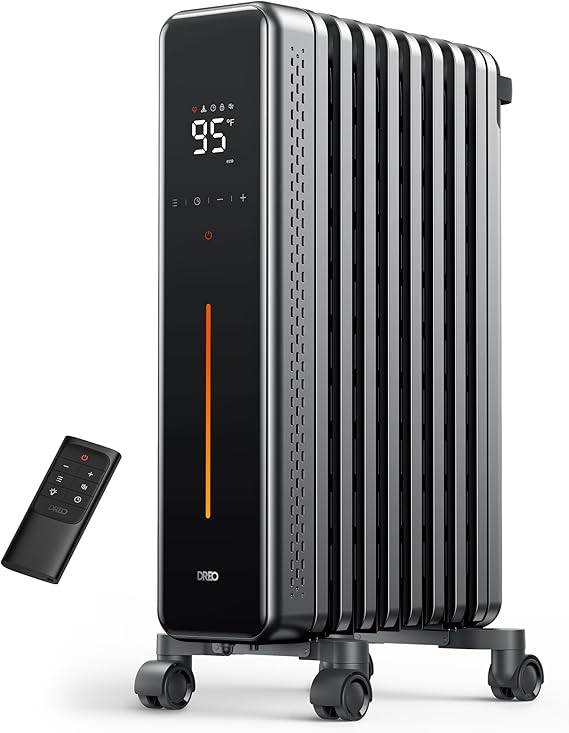
Havells Hestio 13 Fin Oil Filled Room Heater
Oil filled radiators have long been the unsung heroes of winter comfort. This model from Havells stands out with its 13 fins, sturdy build, castor wheels for mobility and consistent heat distribution. It delivers quiet, steady warmth without drying out the air. Because oil filled heaters don’t rely on a fan blow, they’re especially good for extended use in bedrooms or for leaving on overnight. If you want something that warms gently, evenly and stays comfortable, this is a strong pick.

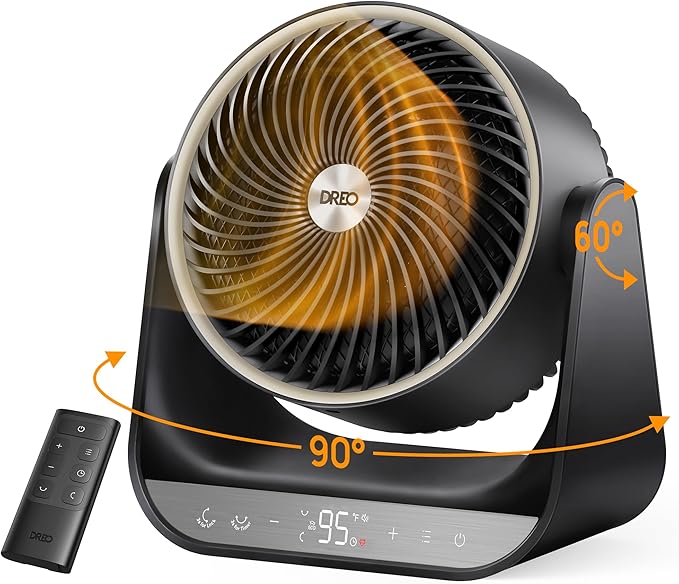
Havells Cista 2000 W Fan Room Heater
If you prefer faster, more direct heating and don’t mind a fan assisted unit, this model is ideal for medium spaces. With a 2000 W power rating plus fan help, it can elevate room temperature more quickly than oil filled models. The fan does circulate air more, which means slightly more noise than purely convection units but the trade off is quicker warmth when you walk in on a cold evening.
Bajaj Blow Hot Fan Room Heater
On a tighter budget? This fan heater from Bajaj offers very good value and meets core safety standards. It’s less fancy than premium models (fewer fins, simpler settings) but if your room is modest and your goal is reliable warmth without over engineering, it makes sense.
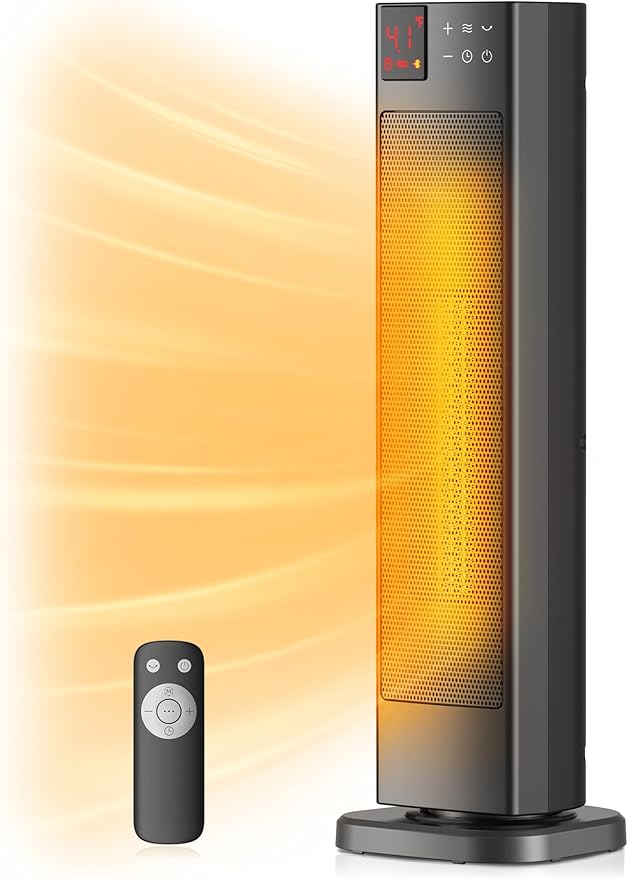
Lifelong Infinia 800 W Quartz Room Heater
Not every room needs a 2000 W surge. For smaller bedrooms, studies of “silent and safe choices for bedrooms” recommend lower watt units with simplified convection or quartz heating. This Lifelong model (800 W quartz) fits that niche: compact, lightweight, energy efficient for limited spaces. It’s perfect if you’re looking to heat only the immediate area you occupy rather than the whole living room. The trade off: it will take longer to raise the room temperature, and isn’t ideal for large open spaces.

Related Posts